
Apr
29
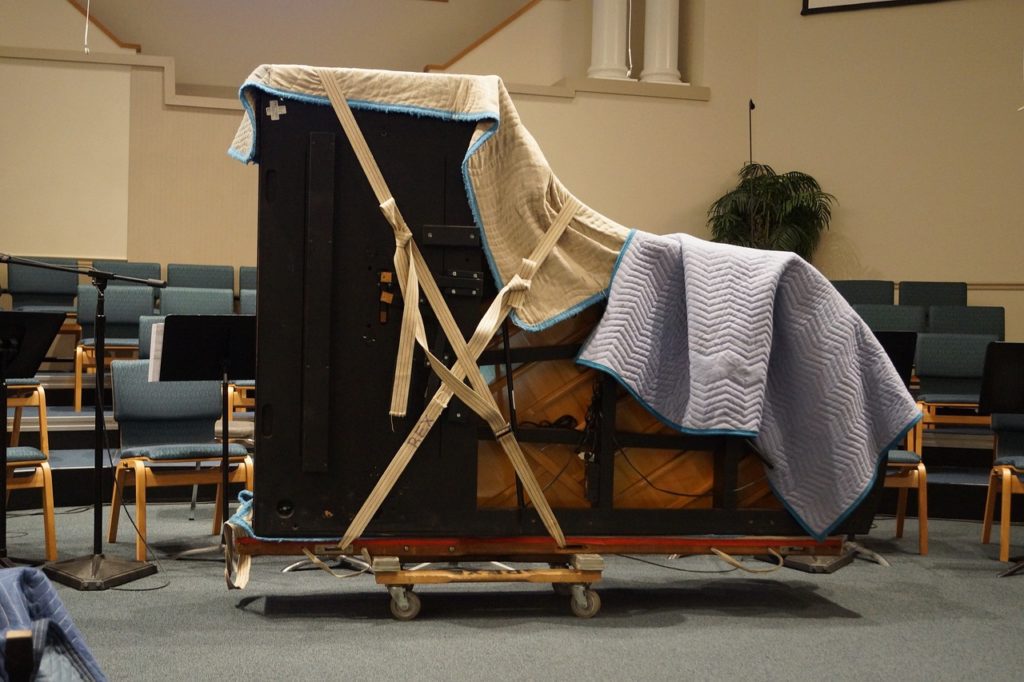
Moving a piano is a delicate process that demands careful planning and consideration, especially when it comes to the weather. Regardless of working with a trusted piano mover Atlanta, weather conditions can significantly impact the safety of the instrument and the success of the move. From extreme temperatures to humidity levels, understanding how weather affects piano moving is essential for ensuring the protection and preservation of your prized instrument. In this guide, we’ll explore the various ways in which weather can impact piano moving and provide tips for navigating these challenges effectively.
Temperature Extremes
Extreme cold and hot temperatures can pose risks to pianos during transportation. Extensive exposure to high temperatures can cause the wood to warp or crack while freezing temperatures can damage delicate components such as strings and action mechanisms. When moving a piano during hot weather, take precautions to minimize exposure to direct sunlight and excessive heat by covering the instrument with blankets or pads and avoiding prolonged stops in unshaded areas. Similarly, when moving in cold weather, wrap the piano in insulated blankets or pads and consider using climate-controlled vehicles to maintain stable temperatures throughout the journey.
Humidity Levels
Humidity levels can also impact the condition of pianos during transportation. Excessive humidity can cause wood to swell and keys to stick, while low humidity can lead to dryness and shrinkage, affecting tuning stability and overall sound quality. To mitigate the effects of humidity during piano moving, monitor indoor humidity levels and take steps to maintain a stable environment. Consider using dehumidifiers or humidifiers as needed to regulate humidity levels and protect the piano from fluctuations during the move.
Rain and Moisture
Rainy weather poses particular challenges for piano moving, as exposure to moisture can cause irreversible damage to the instrument’s delicate components. When moving a piano in rainy conditions, take extra precautions to protect it from moisture by covering it with waterproof tarps or plastic sheeting and sealing any openings or vulnerable areas with waterproof tape or sealant. Avoid transporting the piano in open trucks or trailers during rainy weather, and consider rescheduling the move if severe weather conditions pose a significant risk to the instrument’s safety.
Wind and Storms
Strong winds and storms can pose safety hazards during piano moving, particularly when transporting the instrument outdoors or in open vehicles. High winds can destabilize the piano and increase the risk of tipping or damage, while severe storms can create hazardous driving conditions and pose risks to both the piano and movers. When planning a piano move during windy or stormy weather, prioritize safety above all else and consider postponing the move if conditions are deemed too dangerous. If moving cannot be avoided, take precautions such as securing the piano with heavy-duty straps or tie-downs and driving at reduced speeds to minimize the risk of accidents.
Conclusion
Weather conditions play a significant role in piano moving and can impact the safety and success of the move. By understanding how temperature extremes, humidity levels, rain, wind, and storms can affect pianos during transportation, you can take proactive steps to mitigate risks and ensure the protection and preservation of your valuable instrument. Whether moving locally or long distance, always prioritize the safety of the piano and consult with professional piano movers for expert guidance and assistance in navigating weather-related challenges effectively.…
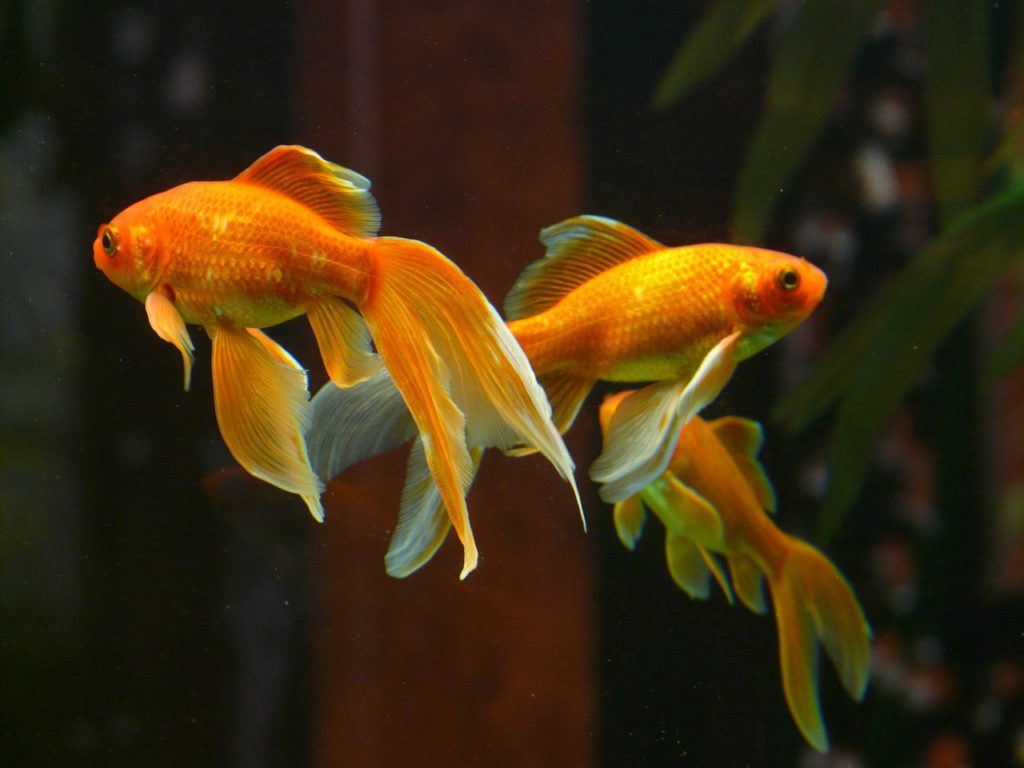
 Setting up a suitable fish tank is the first step towards creating a comfortable home for your goldfish. Choosing a tank size that provides ample swimming space and accommodates their needs as they grow is crucial. While goldfish may start small, they can reach sizes of six to eight inches or even larger!
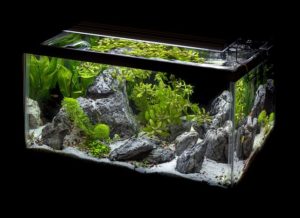 Decorations are crucial in creating an aesthetically pleasing and stimulating environment for your goldfish. Not only do they enhance the visual appeal of your aquarium, but they also provide hiding places and areas for exploration. When selecting decorations for your goldfish tank, keeping their natural habitat in mind is important.
 One of the biggest blunders you could make is sending someone a card, yet they do not celebrate the holiday. It would be best to have a system to help you know who to send to and who not send to. You should also have a list of those who are to receive more personalized cards and who should not. For example, family members are best suited to get cards with personalized messages while business associates, colleagues, and others could do well with available cards. The idea here is to ensure each card is appropriate for the recipient.
 It would be best to avoid sending Christmas cards to business associates’ houses because it comes out as inappropriate. You should also not send family photo cards or newsletters to business associates but only send them general cards. The two things apply so long as you do not interact socially with them, in which cases you need to keep the whole idea of sending them greetings cards very professional.
 When sending cards, always be careful to ensure you send those with whom you exchange cards each holiday. Also, take note of those who do not return the favor several times. Even if it is a good gesture to send them Christmas and other holiday cards, you may have to consider not sending them. Perhaps, by not responding, they mean they do not exchange greetings in such ways, are not interested in getting such cards, or changed address, and the cards never reach them.…